What Is the Holy Year of St. James?
Holy Years are great times of celebration and grace in the life of the Church. While we just finished a universal, ordinary Jubilee Year in Rome, there other types of Holy Years, including those attached to a particular place.
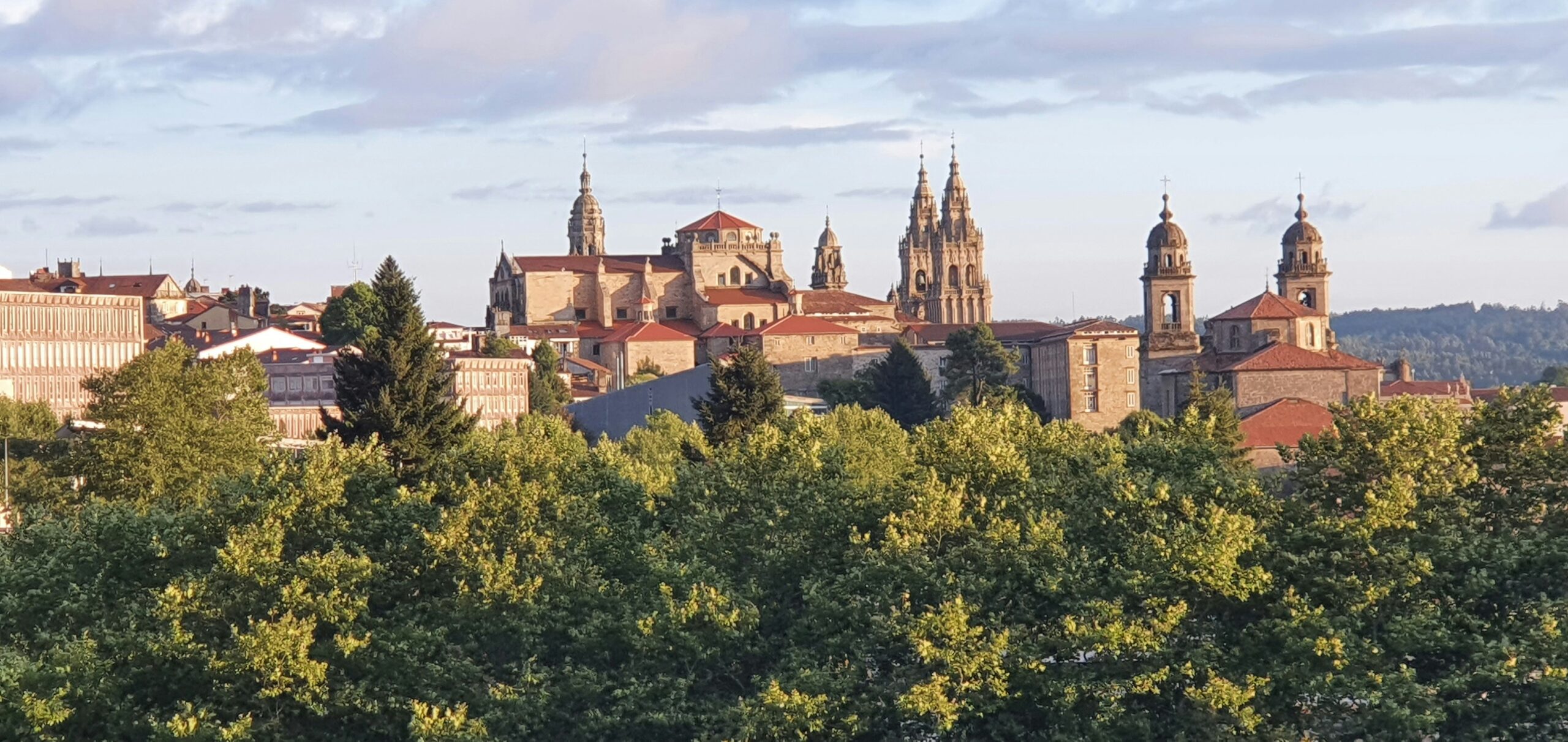
Next year is a “Jacobean Holy Year” in Santiago de Compostela, Spain, at the tomb of St. James the Apostle. Holy Years occur whenever the feast of Saint James (July 25) falls on a Sunday.
With the Holy Year, there are unique graces attached to pilgrimage to Santiago and entrance through the Holy Door at the Cathedral. Walking through the door is an outward sign of the pilgrim’s inward journey of faith, from trespass to reconciliation, sin to grace, death to life. Pilgrims who pass through these doors, as a sign of interior conversion with a spirit of repentance will be granted a plenary indulgence.
What is an indulgence?
Let’s explain. Our sins have effects– some of these effects may be eternal (if we die in the state of unforgiven mortal sin, we merit hell) and some effects are temporal. After all, even the “smallest” venial sins change us (they draw us away from God, make us less like Christ) and affect those around us. Even after we go to the Sacrament of Reconciliation and are forgiven our sins and freed from the eternal punishment we deserve, we still have to atone for our sins. We need to be purified of those temporal punishments, the unhealthy attachments and ways we’ve hurt ourselves, others, and God. This purification can be done in Purgatory, but it can also be done here on earth: by offering up our sufferings and by becoming more like Christ in acts of charity and prayer.
To be clear, an indulgence is not: permission to commit a sin, something you pay for, a “get out of jail free card,” or a way to earn God’s love (which isn’t earned, but is freely given). Rather, indulgences are graces given through the Church as she opens “the treasury of the merits of Christ and the saints.” The Church encourages us to do works of devotion, penance, and charity. For example, there are indulgences attached to spending time in mental prayer, praying the Stations of the Cross, or, the corporal and spiritual works of mercy.
Some indulgences are partial (removing part of the temporal punishment due to sin) and some are plenary (removing all of the temporal punishment due to sin). An indulgence can also be applied to a loved one who is in purgatory.
How do I get an indulgence during the Holy Year of Saint James?
Along with the act that the indulgence is attached to (like making a pilgrimage to the tomb of Saint James in a pilgrimage of penance and spirit of conversion), the penitent must also go to the Sacrament of Confession, receive Holy Communion, and pray for the intentions of the Holy Father while striving to be detached from sin.
How do I make a pilgrimage for the Jacobean Year?
For some, this will mean walking one of the many Camino paths, the famous pilgrimage hike that ends at the tomb of Saint James. For others, it might mean a pilgrimage via bus, which will stop at other famous Spanish pilgrimage sites like Zaragoza and Montserrat.
Verso can help! Whether you want to walk the Camino or see the Catholic riches of Spain via motorcoach, we have a 2027 pilgrimage for you.